What syneresis actually is
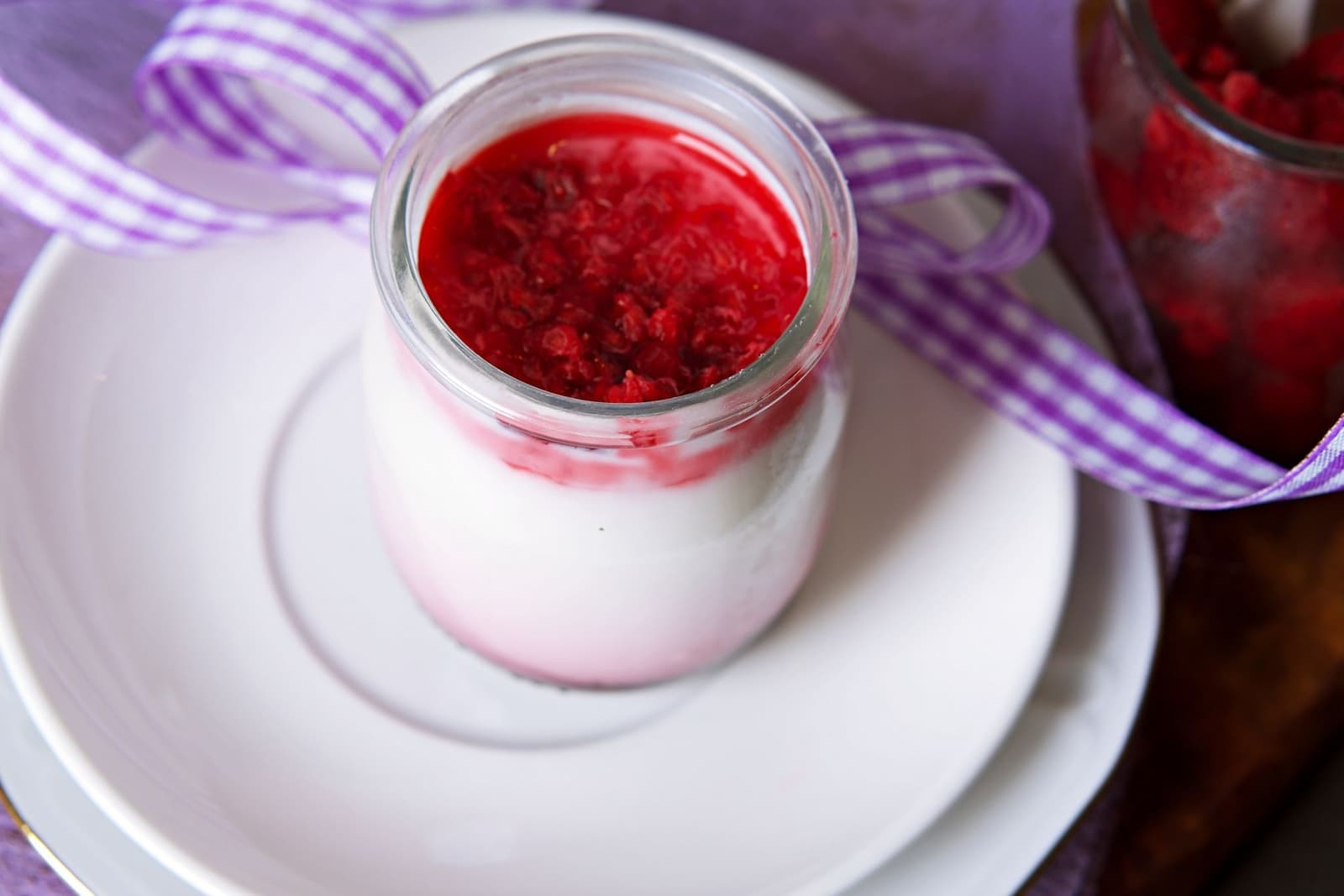
Syneresis is the expulsion of liquid from a gel network as that network contracts. In a dairy dessert it presents as a layer of serum on the surface or around the edges of the pot. It is a structural phenomenon rather than a spoilage one, but consumers read it as spoilage, which is why the tolerance for it is effectively zero.
Under-dosed gelatin contracts as it ages
A network built at the minimum concentration that will set continues to tighten during storage, squeezing water out as it does. Modest increases in gelatin often eliminate weeping entirely at negligible cost. Where a formulation was cost-reduced shortly before the problem appeared, this is the first place to look.
Thermal and mechanical disturbance during setting
A gel disturbed while it is forming sets into a weaker, more contraction-prone network. Vibration from conveyors, movement of trolleys into chill and temperature swings in the chiller all qualify. Allowing the product to set undisturbed, and only then moving it, resolves a class of weeping that no formulation change will fully correct.
Protein and calcium interactions
In dairy systems gelatin coexists with casein and with a substantial mineral load, and those interactions influence how the combined network behaves. Changes in milk solids, in the mineral profile of the water or in the heat treatment applied to the dairy base can shift syneresis behaviour without any change to the gelatin dose.
Acidified products need separate assessment
Where the dessert is acidified, the pH may approach the isoelectric point of the gelatin in use and weaken the network substantially. Type selection matters here in a way it does not in neutral products, and a grade that performs well in a plain dessert may underperform in a fruited variant of the same range.
Test through the full shelf life
Syneresis is a time-dependent failure, so a product assessed only at production tells you very little. Hold samples across the declared life at both normal and abused temperatures and inspect at intervals. The formulation that survives that assessment is the one that will survive distribution.
Syneresis is a time-dependent failure, so a product assessed only at production tells you very little. Hold samples across the declared life at both normal and abused temperatures and inspect at intervals. The formulation that survives that assessment is the one that will survive distribution.