How gelatin is made

From Hide and Bone to Finished Gelatin

Eight controlled stages turn halal-certified bovine raw material into a protein with a specified Bloom strength, viscosity and mesh.

The process

Eight stages, each one controlled

Gelatin is not extracted in a single operation. Collagen has to be conditioned before it will dissolve, released in stages, then purified, concentrated and dried — and the properties a customer specifies are decided at different points along that sequence.

See the finished specifications
  1. Halal bovine sourcing — stage 1 of gelatin production

    Halal bovine sourcing

    Every batch begins with material whose origin is documented before it reaches the plant.

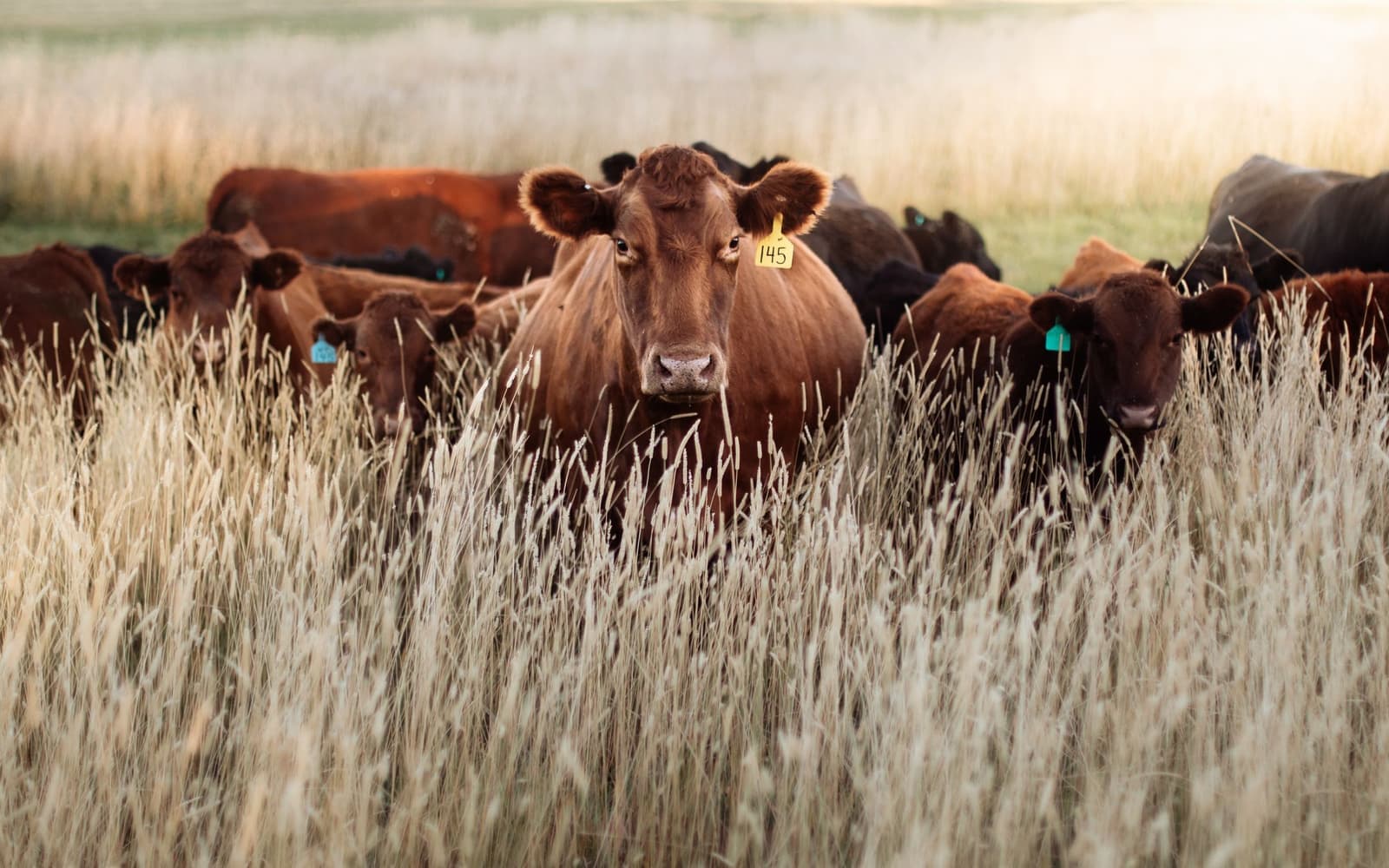
    Hides and bones come from cattle slaughtered according to Islamic requirements (dhabihah), through approved suppliers. Halal status cannot be created later in the process, so it is established here — supplier approval, origin records and segregation from non-compliant material are all checked at intake before anything is accepted into production.

    • Cattle slaughtered to Islamic requirements
    • Supplier approval on file
    • Segregated from intake onward
  2. Cleaning and size reduction — stage 2 of gelatin production

    Cleaning and size reduction

    Incoming material is washed, degreased and cut to a consistent size.

    Raw material carries fat, minerals and residue that would follow the collagen through every later stage. Washing and degreasing remove them, and reducing the material to an even size means the conditioning that follows acts uniformly rather than reaching the outside of a large piece long before the centre.

    • Fat and residue removed
    • Even particle size
    • Uniform conditioning downstream
  3. Alkaline conditioning — stage 3 of gelatin production

    Alkaline conditioning

    A controlled soak loosens the bonds holding collagen together.

    Collagen in its native state will not dissolve. Conditioning in an alkaline medium over a controlled period breaks the cross-links between the collagen chains so that they can later be released in water. Time, temperature and concentration are all held to set ranges — this stage largely determines the Bloom strength the finished gelatin can reach.

    • Controlled time and temperature
    • Cross-links broken
    • Sets the achievable Bloom range
  4. Washing and neutralisation — stage 4 of gelatin production

    Washing and neutralisation

    The conditioning medium is washed out and the material brought back to neutral.

    Anything left from conditioning would carry into the extract as ash and affect clarity, pH and how the gelatin behaves in a customer's formulation. Repeated washing followed by neutralisation returns the material to a defined pH, which is what makes the extraction that follows predictable from batch to batch.

    • Residual alkali washed out
    • pH returned to target
    • Lower ash in the finished product
  5. Warm-water extraction — stage 5 of gelatin production

    Warm-water extraction

    Gelatin is drawn out of the conditioned collagen in successive hot-water extracts.

    The prepared material is extracted in warm water in a series of stages, each at a slightly higher temperature than the last. The first extracts yield the highest gel strength, later ones progressively less. Keeping each stage within its temperature window matters because excess heat degrades the gelatin it is releasing.

    • Successive extraction stages
    • Early extracts carry highest Bloom
    • Heat exposure kept controlled
  6. Filtration and purification — stage 6 of gelatin production

    Filtration and purification

    The extract is clarified and demineralised before it is concentrated.

    The liquor leaving extraction is dilute and carries fine solids and dissolved minerals. Filtration removes the particulates and ion exchange strips the mineral load, which is what delivers the clarity and low ash that clear capsules and transparent gels depend on. Batches destined for visible applications are held to tighter limits here.

    • Fine solids filtered out
    • Mineral load reduced
    • Clarity for transparent applications
  7. Concentration, sterilisation and drying — stage 7 of gelatin production

    Concentration, sterilisation and drying

    Water is removed under vacuum, the concentrate is sterilised, then chilled and dried.

    Evaporating under vacuum removes most of the water at a lower temperature than boiling would require, protecting gel strength. The concentrate is then heat-sterilised, chilled until it sets, and dried in controlled air until moisture reaches the specified level — the point at which gelatin becomes microbiologically stable for storage.

    • Vacuum evaporation protects Bloom
    • Heat sterilisation before drying
    • Dried to specified moisture
  8. Milling, grading and release — stage 8 of gelatin production

    Milling, grading and release

    Dried gelatin is milled to the required mesh, blended to grade and tested before dispatch.

    The dried material is milled to the requested particle size, then blended so the batch meets its target Bloom and viscosity rather than simply falling wherever the extraction landed. Finished batches are assessed against physical, chemical and microbiological criteria, and only released once the certificate of analysis is complete.

    • Milled to 8, 20, 30 or 40 mesh
    • Blended to target Bloom and viscosity
    • Released against a certificate of analysis

Need the detail behind a stage?

Talk to the team that runs the process.

Contact us