The procedure in outline
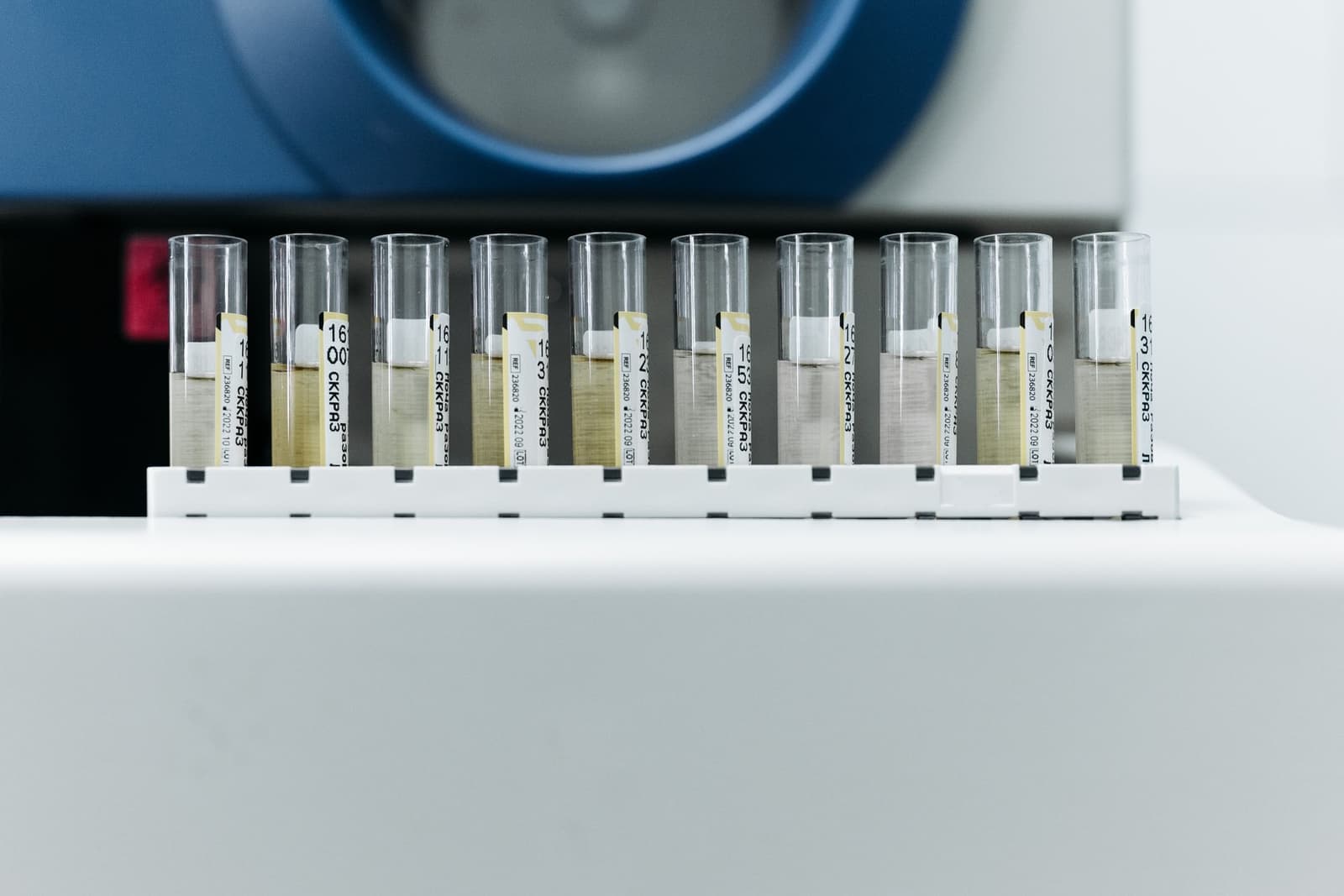
A gelatin solution is prepared at a prescribed concentration, held under defined conditions to hydrate, then matured in a standard bottle at a controlled low temperature for a fixed period. A plunger of specified diameter is driven into the surface to a set depth, and the force required is recorded. That force, expressed in grams, is the Bloom value. Every element of the procedure is fixed because every element influences the result.
Concentration is the largest single lever
Gel strength rises steeply with concentration, so a small error in weighing or a solution that has lost water to evaporation will shift the result well beyond the tolerance most specifications allow. This is the most common source of laboratory disagreement between a customer and a supplier, and it is usually resolved by checking preparation practice rather than by re-testing the material.
Maturation time and temperature are not negotiable
Gelatin gels continue to develop structure for many hours after setting. A gel tested early reads low; one held longer than the protocol reads high. The specified conditioning window exists to catch the gel at a defined and reproducible point on that curve. Laboratories that shorten it for throughput generate internally consistent numbers that cannot be compared with anyone else's.
Water quality quietly changes the answer
Dissolved ions influence gel formation, so the water used for preparation matters. Laboratories comparing results across sites should confirm they are using water of comparable quality. Where results diverge persistently between a supplier's laboratory and a customer's, water is worth eliminating early because it is cheap to check and frequently responsible.
Instrument geometry and calibration
Plunger diameter, penetration depth and rate of travel are all specified, and instruments drift. Regular calibration against a reference and periodic comparison with an external laboratory keep a texture analyser honest. An uncalibrated instrument produces a stable, precise and wrong number, which is more damaging than an obviously erratic one because it is trusted.
Agree the method before disputing the result
When a Bloom result is contested, the productive first step is to compare procedures rather than material — concentration, water, maturation, instrument settings. Most disagreements resolve at that stage. Agreeing the method in writing at qualification, and exchanging a reference sample occasionally, prevents the dispute from arising at all.
When a Bloom result is contested, the productive first step is to compare procedures rather than material — concentration, water, maturation, instrument settings. Most disagreements resolve at that stage. Agreeing the method in writing at qualification, and exchanging a reference sample occasionally, prevents the dispute from arising at all.