
The exposures are mostly upstream
Gelatin availability depends on hide and bone supply, which follows the livestock cycle and the economics of meat production rather than gelatin demand. Add regulatory change, energy costs and freight disruption, and the result is a market that can tighten quickly for reasons unrelated to any individual supplier's performance.
Qualify a second source before you need it
Qualification takes time — trials, documentation, sometimes customer approval. Beginning it during a shortage means it completes after the shortage has done its damage. A second source qualified in calm conditions, even at nominal volume, converts a crisis into a purchasing decision.
Write the specification to permit alternatives
Specifications built around one supplier's typical values exclude equivalent material for no functional reason. Reviewing which limits are genuinely necessary, and widening those that are not, materially expands the set of qualifying grades without affecting the product.
Hold stock deliberately
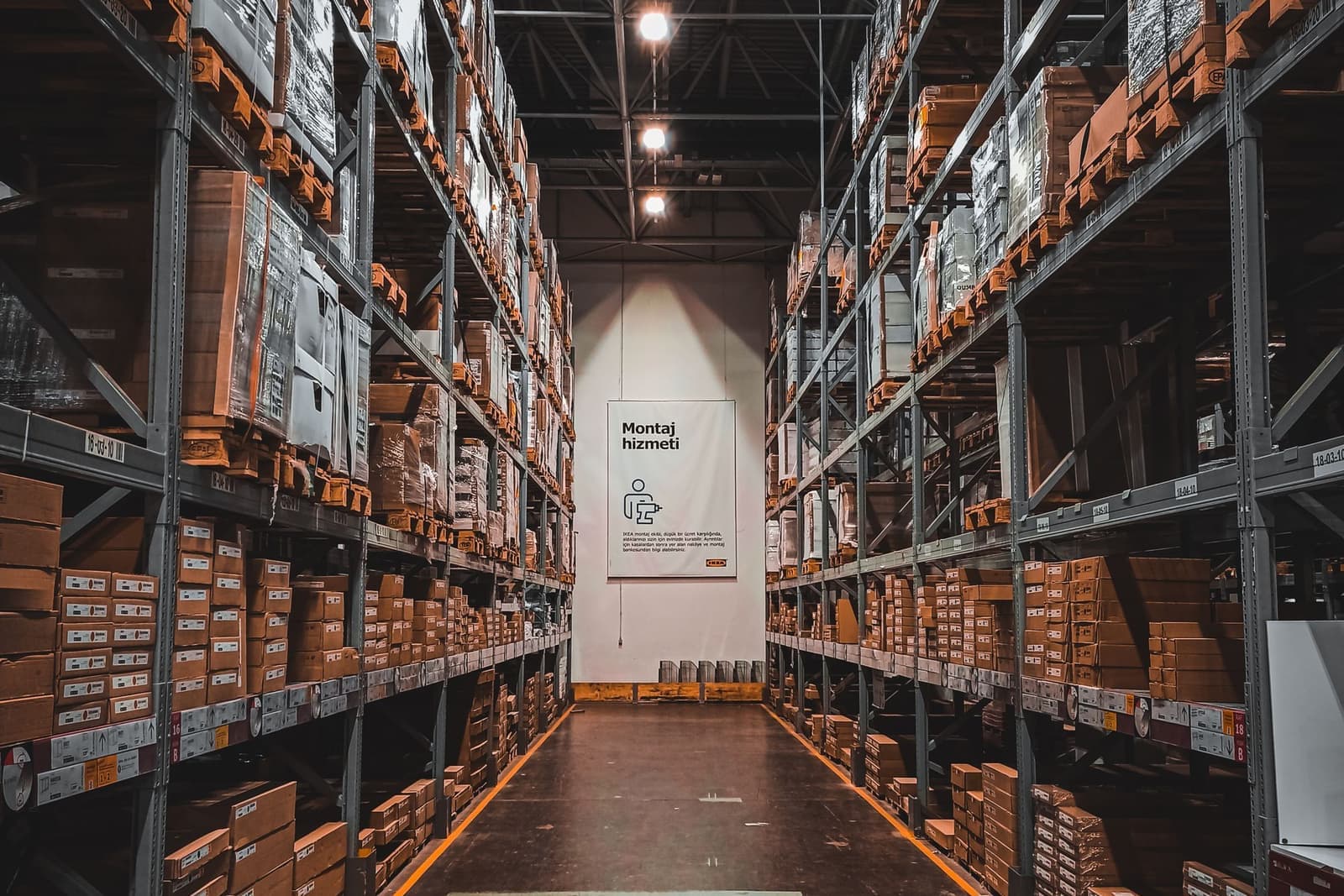
Gelatin stores well under proper conditions, which makes buffer stock an effective and unusually cheap mitigation. Setting the level against realistic lead times and the cost of a production stop turns inventory from an accounting irritation into a considered risk control.
Talk to suppliers about their own exposure
A supplier's continuity depends on their raw material sources, their certifications and their logistics. Asking directly about those dependencies, and about what they hold in reserve, gives a far better picture than a financial check alone. Suppliers that answer openly are usually the ones that have thought about it.
Review the plan on a schedule
Continuity plans decay as suppliers, volumes and specifications change. An annual review that revisits qualified sources, buffer levels and lead-time assumptions keeps the plan connected to the current business. One written at qualification and never revisited tends to describe a supply chain that no longer exists.
Continuity plans decay as suppliers, volumes and specifications change. An annual review that revisits qualified sources, buffer levels and lead-time assumptions keeps the plan connected to the current business. One written at qualification and never revisited tends to describe a supply chain that no longer exists.