Container condensation is the main hazard
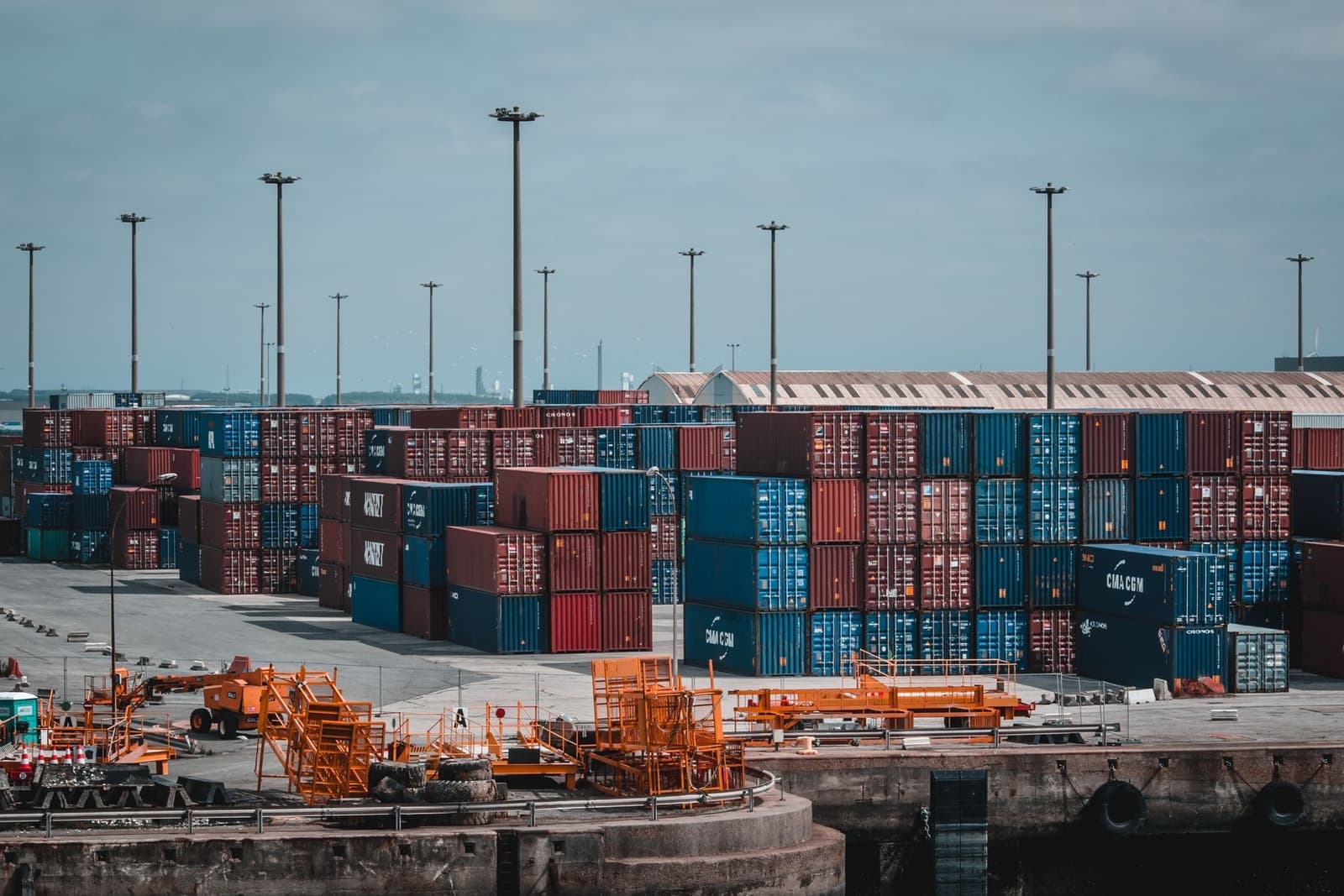
A container loaded in a warm, humid climate and crossing into cooler waters will condense moisture on its inner surfaces, which then drips onto the cargo. The result is localised wetting that can ruin the top layers of a pallet. Desiccant, liner protection and appropriate loading practice address it; assuming a sealed container is a dry one does not.
Heat cycling in transit
Containers on deck experience substantial daily temperature swings. Gelatin tolerates moderate warmth, but repeated cycling drives moisture movement within the packaging. Stowage position influences exposure, and for sensitive consignments it is a reasonable thing to specify rather than leave to the carrier.
Physical damage compromises the moisture barrier
Torn bags and crushed corners breach the packaging that protects the material, and damage sustained early in a long journey has the whole transit to do harm. Pallet configuration, stretch wrapping and corner protection are cheap relative to the value of the consignment and to the cost of a rejected delivery.
Inspect on arrival, before acceptance
Checking pallets for damage, damp marks and packaging integrity at the point of receipt establishes the condition on arrival while a claim is still straightforward. Material accepted into store without inspection becomes very difficult to attribute later if a problem emerges in production weeks afterwards.
Allow for conditioning before use
Material arriving cold into a warm plant will condense moisture on its surface if opened immediately. Allowing sealed pallets to equilibrate to ambient before opening avoids introducing water at the last moment. This is a simple control that is frequently omitted under production pressure.
Document the journey
Recording load date, stowage, transit time and arrival condition builds a picture across shipments. When a batch behaves unexpectedly, that record distinguishes a manufacturing question from a logistics one quickly, and it supports a substantive conversation with the freight provider rather than an anecdotal one.
Recording load date, stowage, transit time and arrival condition builds a picture across shipments. When a batch behaves unexpectedly, that record distinguishes a manufacturing question from a logistics one quickly, and it supports a substantive conversation with the freight provider rather than an anecdotal one.